
Learning how to sell on Walmart Marketplace is one of the most practical ways to grow an online store in the United States. Walmart.com is one of the largest online stores in the country, and its Marketplace lets independent sellers list products right next to Walmart’s own inventory. For many brands it is the natural second channel after Amazon, and for some it is a better first one.
But Walmart Marketplace is not an open bazaar. Every seller is verified before they can list a single product, and the account is measured against strict performance standards once it is live.
This guide walks you through who can apply, what it costs, how to set up your account, how to create listings that rank, and how to keep your account healthy as you grow.
Quick Answer: How to Sell on Walmart Marketplace
To sell on Walmart Marketplace, you need a registered business with a Business Tax ID (a Social Security number is not accepted), a personal ID and documents that verify your business name and address. You apply through Walmart Seller Center, pass business verification, set up payments and fulfillment, then list products with valid GTINs. There is no monthly fee: Walmart charges a referral fee of about 6% to 20% per sale (15% in most categories), plus fulfillment and storage fees if you use Walmart Fulfillment Services (WFS).
In this guide:
- What Walmart Marketplace is
- Seller requirements
- Fees and costs
- Step-by-step setup
- Listing optimization
- Performance standards
- The Pro Seller badge
- Walmart vs Amazon
- Common mistakes
- FAQ
What Is Walmart Marketplace?
Walmart Marketplace is the third-party selling program on Walmart.com and the Walmart app. Approved sellers list their own products, set their own prices and either ship orders themselves or use Walmart Fulfillment Services (WFS), Walmart’s equivalent of Amazon FBA.
Sellers manage everything in Walmart Seller Center: listings, inventory, orders, pricing, advertising, payments and performance reports.
Why sell on Walmart in 2026?
- Less crowded than Amazon. Because every seller is vetted, there are far fewer competing sellers per product than on Amazon.
- No monthly subscription. Walmart says there are no setup, subscription or monthly fees; you pay a referral fee only when an item sells.
- A trusted retail brand. Many shoppers already buy groceries and household items from Walmart, so your products appear in front of high-intent buyers.
- Built-in growth tools. WFS, the Pro Seller program, Walmart Connect advertising and Repricer are all available inside Seller Center.
Walmart Marketplace Seller Requirements
Walmart reviews every application against official business records, so prepare your documents before you start. According to Walmart’s seller registration guide, you need:
- A copy of a personal ID for the applicant or legal representative.
- A Business Tax ID (such as a U.S. EIN) or a Business License Number. A Social Security number is not accepted.
- Your business entity classification (for example, LLC or corporation).
- Supporting documents that verify your business name and address, such as an IRS EIN confirmation letter. If you do not have an EIN yet, you can apply for one free on the IRS website.
International businesses can apply from supported countries of incorporation, but the documents vary by country. Walmart may ask for a U.S. tax ID in some cases, so check the tax classification guide in Marketplace Learn for your country.
What helps an application get approved
- Matching information. Your legal business name, address and tax ID must match your IRS or government records exactly. Small mismatches are the most common reason for a failed verification.
- E-commerce experience. A track record on Amazon, eBay, Shopify or your own website shows Walmart you can serve customers well.
- A professional website and business email. A real domain and email address make your business easier to verify.
- Product identifiers. Walmart listings require GTINs (usually UPCs). If you sell private label or handmade items without one, you can request a GTIN exemption.
- A clear fulfillment and returns plan. Know how you will ship orders and handle returns before you apply.
How Much Does It Cost to Sell on Walmart?
Walmart’s pricing is simpler than Amazon’s. There is no monthly plan, no listing fee and no setup fee. Your costs come from three places.
1. Referral fees
Walmart takes a referral fee, a percentage of the total sales price, on every completed sale. The rate depends on the product category. Most categories are charged 15%, a few are lower (personal computers, for example, are 6%), and some categories use price-based tiers. The fee is calculated on the total sales price, which includes shipping charged to the customer.
| Category example | Referral fee |
|---|---|
| Personal computers | 6% |
| Consumer electronics | 8% |
| Home, kitchen and pet supplies | 15% |
| Most other categories | 15% |
Always confirm your category’s current rate on Walmart’s referral fee page before you price a product. Rates change from time to time.
2. Walmart Fulfillment Services (WFS) fees (optional)
If you let Walmart store and ship your products, you pay a fulfillment fee per unit sold and a monthly storage fee. Walmart’s WFS fee guide (updated May 2026) lists:
- Fulfillment: $3.45 per unit for standard items up to 1 lb, rising with shipping weight ($4.95 at 2 lb, $5.45 at 3 lb, $5.75 at 4 lb, then $0.40 per extra pound up to 20 lb).
- Surcharges: +$1 per unit for items priced under $10, and +$0.50 per unit for apparel.
- Storage: $0.75 per cubic foot per month from January to September. From October to December, inventory stored longer than 30 days is charged an extra $1.50 per cubic foot per month.

3. Advertising (optional)
Walmart Connect lets you run Sponsored Search ads and other placements on Walmart.com and the Walmart app. You set your own budget and pay when shoppers click.
New-Seller Savings in 2026
Walmart is actively recruiting sellers. According to Walmart, sellers who started selling on Walmart.com after February 1, 2026 can receive up to $75,000 in savings, made up of referral fee discounts and credits on fulfillment and advertising. Conditions apply, so read the current terms in Seller Center before you plan around them.
Example: what one sale really costs
Imagine a 1.5 lb kitchen gadget that sells for $25 and is fulfilled by WFS:
| Line item | Amount |
|---|---|
| Selling price | $25.00 |
| Referral fee (15%) | −$3.75 |
| WFS fulfillment fee (2 lb tier) | −$4.95 |
| Product and inbound shipping cost (example) | −$7.00 |
| Advertising (example) | −$2.00 |
| Estimated profit before tax | $7.30 |
The product and advertising costs above are illustrations. Run your own numbers with Walmart’s WFS Cost Estimator before you send inventory.
How to Sell on Walmart Marketplace: Step by Step
Step 1: Prepare your business documents
Gather your personal ID, business tax ID or license number, entity classification and a document that shows your legal business name and address. Make sure every detail matches your official records.
Planning a Walmart launch and not sure your business is ready? Book a consultation with Msharf and we’ll review your documents and product plan with you.
Step 2: Apply and verify your business
Start at marketplace.walmart.com and choose to sign up as a seller. You will create a Seller Center account and complete the business verification form. Walmart says the initial verification can take up to five business days, and you cannot set up your store until it is approved.
Step 3: Complete onboarding in Seller Center
Once verified, you finish your Seller Profile: customer service contact details, payment information, and the Retailer Agreement.
Step 4: Choose how you will fulfill orders
- Seller-fulfilled: you ship from your own warehouse or a 3PL. You set up shipping templates, ship-from locations and return settings, and you are measured on delivery speed and tracking.
- Walmart Fulfillment Services (WFS): you send inventory to Walmart’s fulfillment centers and Walmart picks, packs, ships and handles customer service for those orders. WFS items can carry fast-shipping tags, and WFS orders are not counted against your own seller-fulfilled performance metrics.
Many sellers start with WFS for their best sellers and keep slower or bulky items seller-fulfilled.
Step 5: Create your product listings
You can add items one by one in Seller Center, upload a spreadsheet in bulk, or connect through an integration partner or Walmart’s API. If the product already exists on Walmart.com, you can match to the existing listing; if not, you create a new item with full content.
Step 6: Launch, price and promote
Price competitively, turn on advertising for your key items and watch your first orders closely. Walmart’s Repricer tool can adjust prices automatically within the minimum and maximum you set.
How to Optimize Walmart Listings (Walmart SEO)
Walmart’s search engine rewards complete, accurate and competitively priced listings. Focus on these elements:
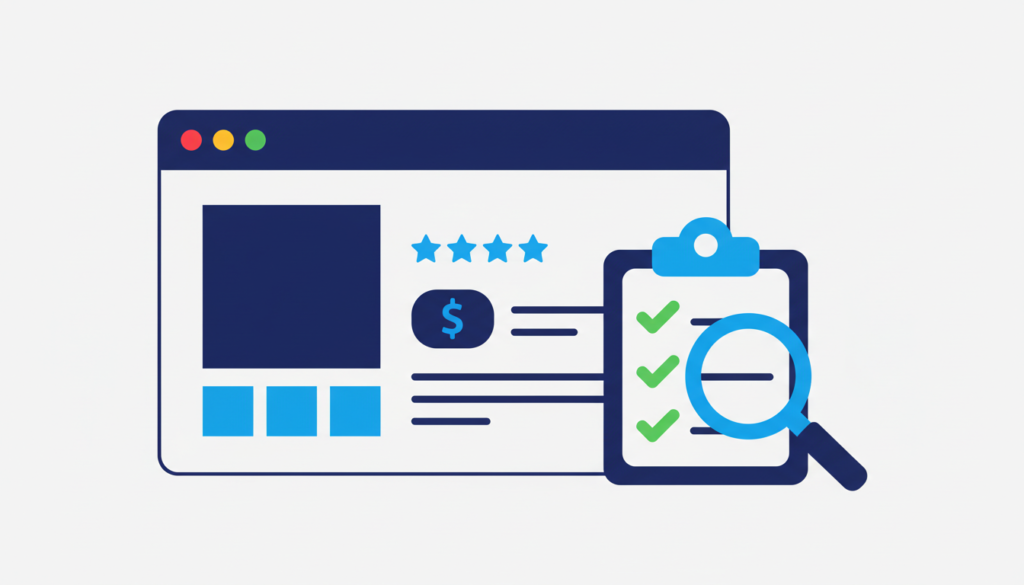
- Product title: brand, product type, key feature, size or quantity. Keep it clear and readable; do not stuff keywords.
- Images: a clean main image on a white background, plus angles, lifestyle shots, size references and infographics.
- Key features: three to ten concise bullet points that explain benefits, not just specifications.
- Description: a helpful paragraph that answers the questions shoppers ask before buying.
- Attributes: fill in every relevant attribute (color, material, size, count). Walmart uses them for search filters, and missing attributes hide your item from filtered results.
- Price and shipping: Walmart is built on low prices. Uncompetitive pricing, including against other sites, can cost you visibility and the Buy Box.
- Reviews: ratings and reviews influence both ranking and conversion. Follow Walmart’s review policies; never pay for or incentivize reviews.
Seller Center includes a Listing Quality dashboard that scores your content, offer and ratings and shows exactly what to improve.
Walmart Seller Performance Standards
Walmart regularly reviews every seller-fulfilled order. Falling below its standards can lead to unpublished listings, and repeated problems can lead to suspension. Walmart’s published standards include:
- Cancellation rate: 2% or below.
- Valid tracking rate: more than 99% of orders with valid tracking.
- Refund rate: less than 6% of orders refunded for seller-responsible reasons.
- Seller response rate: reply to 95% or more of customer messages within 48 hours.
- On-time delivery rate: orders delivered by the expected delivery date. Higher Pro Seller tiers require 95% or more.
Thresholds are updated from time to time, so check the Performance dashboard in Seller Center for the targets that currently apply to your account.
How to Earn the Walmart Pro Seller Badge
The Pro Seller program rewards strong performance with a badge on your listings and extra benefits. Walmart now uses three tiers, Rising Seller, Advanced Seller and Pro Seller, and you earn them automatically when you meet the criteria. For example, the on-time delivery requirement rises from 90% for Rising Seller to 92.5% for Advanced Seller and 95% for Pro Seller.
Status refreshes on the 5th and 20th of every month, and benefits at the higher tiers include referral fee discounts on eligible listings. Walmart recommends tools like WFS, Ship with Walmart and Repricer to help you qualify. See the current criteria on Walmart’s Pro Seller program page.
Walmart vs Amazon: Which Should You Start With?
| Walmart Marketplace | Amazon | |
|---|---|---|
| Entry | Application and business verification | Open registration |
| Monthly fee | None | $39.99/month (Professional plan) |
| Competition | Fewer sellers per product | Very high in most categories |
| Fulfillment network | WFS | FBA |
| Customer base | Large U.S. audience, value focused | Largest U.S. online audience |
For most established brands, the answer is both. If you already sell on Amazon, Walmart is often the fastest way to add a second revenue stream with the same products and listings. If you are just starting out, Amazon is easier to join, while Walmart rewards sellers who already have a proven business.
Common Mistakes New Walmart Sellers Make
- Applying with business details that do not match official records.
- Listing products without GTINs or required attributes, then wondering why items do not go live.
- Pricing products without counting referral fees, WFS fees and advertising.
- Promising delivery speeds your shipping setup cannot meet.
- Uploading tracking numbers late or not at all.
- Ignoring the Listing Quality dashboard after launch.
Should You Manage Your Walmart Store Yourself or Hire Help?
You can absolutely run a Walmart store yourself, especially with a small catalog. As you grow, the daily work adds up: listing optimization, pricing, WFS shipments, advertising, performance monitoring and customer messages.
At Msharf, we help sellers launch and manage stores on Walmart, Amazon and Shopify, from the application and listing setup to advertising and growth. See how our Walmart, Amazon and Shopify store management works, or read more Walmart Marketplace guides.
Frequently Asked Questions About Selling on Walmart
Is it free to sell on Walmart Marketplace?
There is no setup, subscription or monthly fee. You pay a referral fee on each item sold, and fulfillment and storage fees only if you use WFS.
Can I sell on Walmart with a Social Security number?
No. Walmart requires a Business Tax ID (such as an EIN) or a Business License Number. A Social Security number is not accepted.
How long does Walmart seller approval take?
Walmart says initial business verification can take up to five business days. The full setup, including payments, fulfillment and your first listings, usually takes longer depending on how prepared you are.
Can sellers outside the U.S. sell on Walmart.com?
Yes, from supported countries of incorporation. Required documents vary by country, and Walmart may ask for a U.S. tax ID in some cases.
Do I need UPC codes to sell on Walmart?
Most products need a GTIN such as a UPC. If your product does not have one, for example a private label or handmade item, you can request a GTIN exemption in Seller Center.
What is the Walmart referral fee?
It is a percentage of the total sales price that Walmart deducts from each sale. Most categories are 15%, some are lower (such as 6% for personal computers), and a few use price-based tiers.
Is WFS better than shipping orders myself?
WFS makes fast delivery and performance metrics easier to manage, but it adds fulfillment and storage fees. It usually works best for fast-moving, standard-size products. Compare both options with the WFS Cost Estimator.
Final Thoughts
Walmart Marketplace rewards sellers who are prepared: verified business details, complete listings, competitive prices and reliable delivery. Get those right and you gain access to millions of shoppers with far less competition than on Amazon.
Start by checking your documents, run the numbers for your top products, and decide whether WFS fits your catalog. For more practical advice, browse the Msharf blog for Amazon, Walmart and Shopify sellers.
Looking to build or scale your Amazon, Walmart, or Shopify business? Msharf can help you develop and manage your e-commerce business. Book a consultation with our team.
Fees, programs and performance standards are based on Walmart’s published information as of November 2026 and can change. Always confirm current details in Walmart Seller Center and Marketplace Learn.
1 comment